Furniture is the part of a move that turns confident planning into quiet dread. Boxes you can stack, carry, and rearrange, but a six-seater dining table, a wardrobe that reaches the ceiling, or a sofa that somehow came into the flat before the door frame was finished — those are the pieces that decide how long moving day really takes. Most damage and most delays happen not because furniture is heavy, but because it was moved whole when it should have been taken apart.
Disassembly is the skill that separates a smooth furniture move from a bruised, scratched, wall-scraping ordeal. Done properly, a bulky wardrobe becomes a neat stack of flat panels, a bed frame collapses into manageable rails, and pieces that would never clear a stairwell in one piece slide out effortlessly. This guide walks through how to break furniture down, protect the parts, and put everything back together at the other end without a single leftover screw.
Why Taking Furniture Apart Is Almost Always Worth It
The instinct to move furniture whole comes from wanting to save time, but it usually costs more than it saves. A fully assembled wardrobe is heavy, unbalanced, and wide enough to gouge every wall it passes. Reduced to panels, the same wardrobe is light, flat, and easy to carry two at a time without a scratch.
Disassembly also protects the joints that give furniture its life. Dragging or tilting an assembled cabinet strains glued corners and loosens fittings that were never designed to bear the load sideways. Breaking a piece down at its intended connection points spreads the stress across the crew instead of the furniture, and it lets everything travel flat and stable in the truck.
The Toolkit and Supplies You Will Actually Use
Before a single screw comes out, gather the right tools: a cordless screwdriver, a set of Allen keys, an adjustable spanner, and pliers cover the vast majority of home furniture. Add a roll of stretch wrap, bubble wrap, moving blankets, and strong tape, and you can protect almost anything you dismantle.
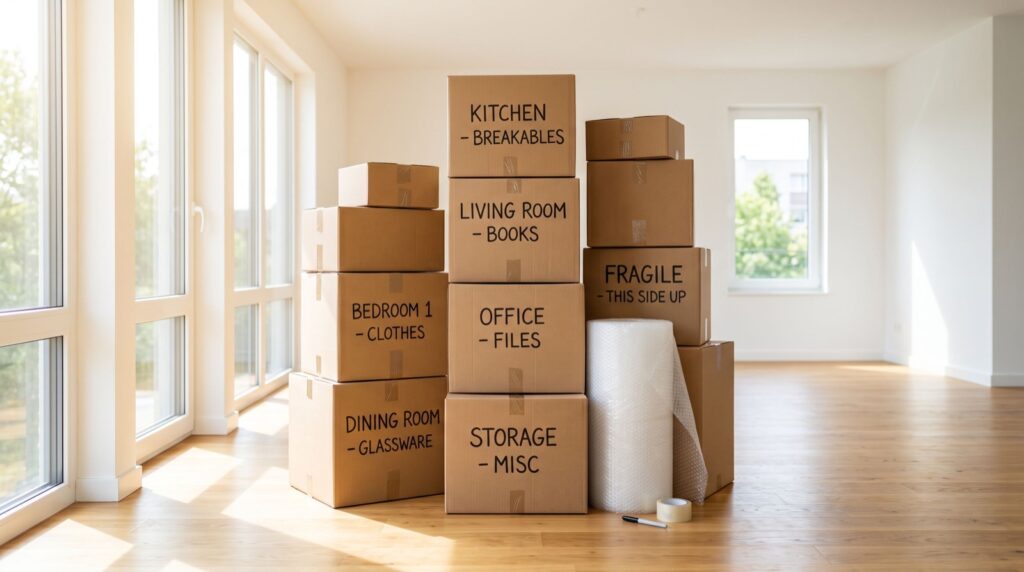
You will also need somewhere to keep the hardware, and this is where most people slip up. The moment you start filling cartons, it makes sense to buy moving boxes Dubai in a range of sizes so small parts, panels, and padding all have a proper home rather than ending up in a loose heap on the floor.
A Method for Dismantling Without Losing Anything
The golden rule of disassembly is to keep every fixing with the item it came from. As you remove screws, bolts, and brackets, drop them straight into a resealable bag, seal it, and tape it to a part of the frame that will not be wrapped over. When you reach the new home, the hardware is exactly where you left it.
Photograph each stage before you take it apart, especially anything with cables, brackets, or a specific orientation. A quick snapshot of the back of a flat-pack wardrobe or the underside of a bed saves twenty minutes of confused staring later. Work methodically, one piece at a time, and resist the urge to have three half-dismantled items scattered across the room at once.
Protecting Panels, Glass, and Delicate Finishes
Once furniture is in parts, the exposed edges and surfaces need shielding. Wrap flat panels in moving blankets and secure them with stretch film rather than tape, which can peel veneer and lift lacquer when removed. Glass shelves and tabletops deserve special care — sandwich them between cardboard, mark them clearly as fragile, and never lay anything on top.
Corners take the most punishment in a move, so add extra padding there. Foam edge protectors or folded cardboard on the corners of tabletops, headboards, and cabinet doors absorb the knocks that would otherwise leave permanent dents. A few extra minutes of wrapping here prevents the small chips that quietly age good furniture.
Reassembly That Goes Smoothly at the New Home
Reassembly is where all your earlier discipline pays off. Because the hardware is bagged and taped to each piece and you have photos of every step, rebuilding becomes a calm, logical process rather than a puzzle. Assemble large items in the room where they will finally stand, since a fully built wardrobe rarely fits back through the doorway it came out of in pieces.
Tighten fittings gradually rather than fully locking each one before the next goes in. A frame that is loosely assembled first, then tightened all round at the end, lines up far more easily and sits square. If a piece feels wobbly, the fix is almost always a fitting that was torqued too early, throwing the whole structure out of alignment.
Knowing When the Job Needs a Professional Crew
Some furniture is simply beyond a two-person effort. Modular wardrobes bolted to the wall, marble-topped tables, pianos, and antique pieces with fragile joinery carry real risk, both to the item and to the people lifting it. For those, a specialist crew earns its fee quickly, arriving with the equipment and the technique to move what you should not attempt alone.
If your relocation runs toward the industrial and residential districts of the capital, arranging seasoned furniture movers Mussafah means the heaviest, most awkward items are handled by people who do it daily. They arrive with the straps, dollies, and padding that make short work of the pieces you would struggle with alone.
Even for a straightforward move, handing the trickiest items to a crew of reputable service experts frees you to focus on the boxes and the paperwork while they manage the muscle. Splitting the job this way often costs less than you fear and spares both your back and your walls.
Key Takeaways
- Dismantling bulky furniture prevents wall damage and protects joints that fail under sideways strain.
- Keep a basic toolkit and plenty of wrapping and boxes ready before you start.
- Bag every screw and tape it to its own piece so nothing goes missing.
- Photograph each stage of disassembly to make rebuilding effortless.
- Pad corners, wrap panels in blankets, and treat glass as fragile.
- Reassemble large items in their final room and leave heavy or delicate pieces to professionals.
Furniture That Arrives Ready to Live With
The measure of a good furniture move is boring in the best way: every piece stands where it belongs, square and solid, with no fresh scratches and no bag of orphaned screws in a drawer. That outcome comes entirely from preparation — the right tools, disciplined labelling, careful padding, and an honest sense of which items you can handle and which you should not. Break furniture down thoughtfully, protect the parts, and rebuild with patience, and the pieces you love will settle into their new home looking exactly as they did in the old one.